Reliable Chemistry , Trusted Supply

About us

Quality Assurance

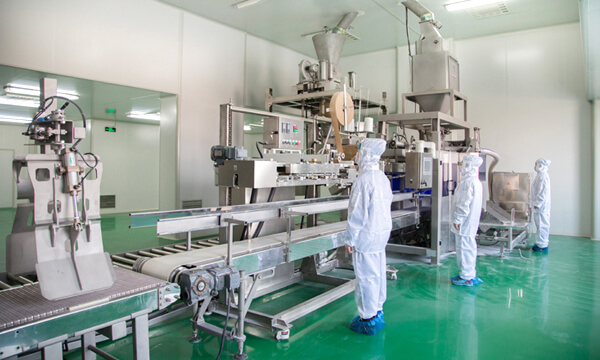
Stringent quality control systems throughout production, from raw material inspection to final product testing, ensuring batch-to-batch consistency and reliability.

Certified Compliance

Full industry certifications including ISO, REACH, and GMP standards, with complete traceability and documentation for regulatory peace of mind.

Global Delivery Network

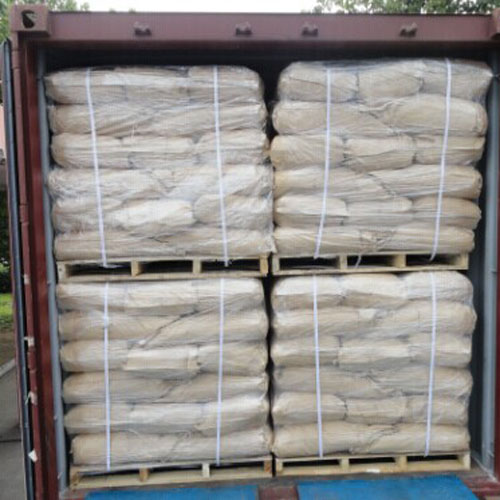
Efficient international logistics covering major ports worldwide, with reliable warehousing and just-in-time shipping to keep your production on schedule.

Environmental Stewardship

Green chemistry initiatives, waste reduction processes, and energy-efficient operations that minimize environmental impact while maintaining output quality.

Hebei Huaheng Biological Technology Co., Ltd

About us

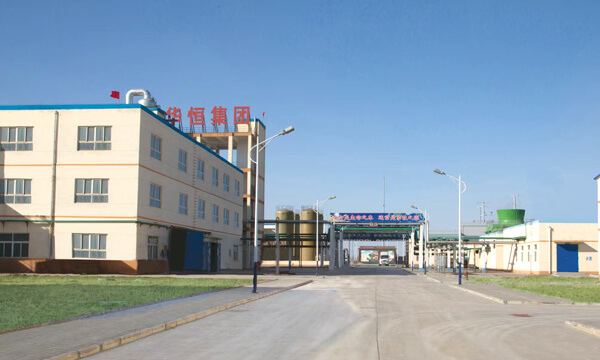
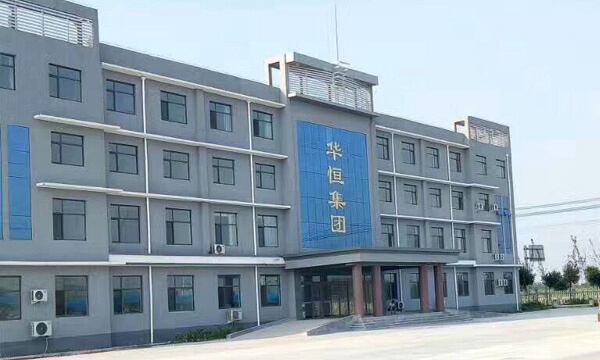
Hebei Huaheng Biological Technology Co., Ltd. was established in 2011, it is located in Jizhou, Hebei Province. Hebei Huaheng is a high-tech enterprise based on research and development and guided...
Read more
12h
After-Sales Response
99%
Delivery Rate
100%
Factory-Exit QC
99%
On-Time Delivery
Hebei Huaheng Biological Technology Co., Ltd

Need a Custom Solution?

Our products are just the starting point. If you have specific technical requirements or are looking for a custom formulation, our engineering team is ready to work with you. Tell us

Inquire

Our Products

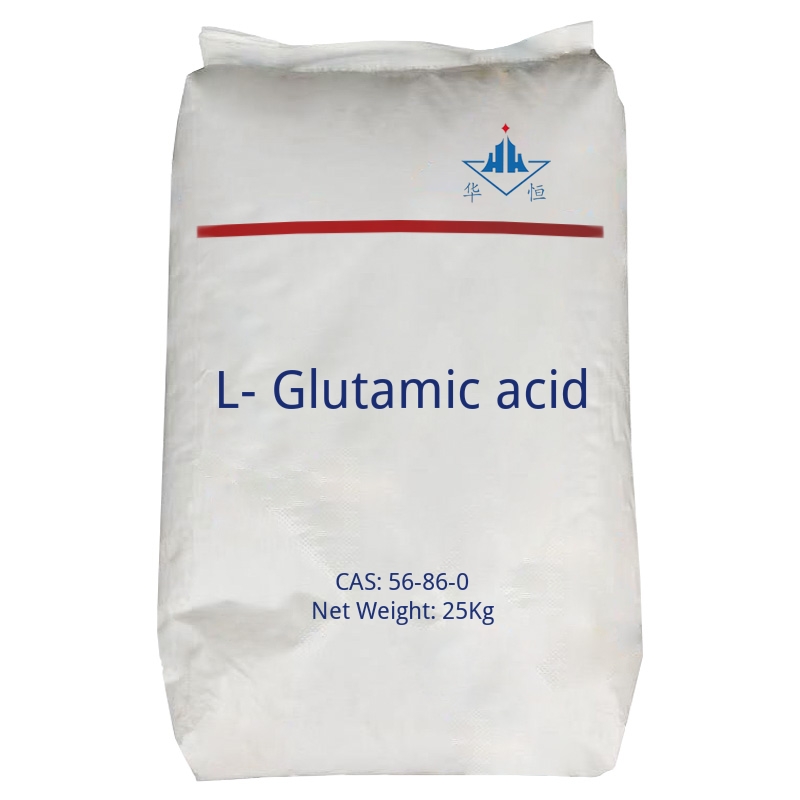
The range of products we manufacture and provide to our customers includes Amino Acids, Acetylated Amino Acids, Amino Acid Chelate, Food Additives, along with all kinds of necessary resources and supplies for engineering, manufacturing and other industrial spheres.

Sustainability

As a forward-thinking chemical manufacturer, we recognize that true industrial leadership comes with environmental responsibility. Our sustainability framework integrates green chemistry principles, carbon footprint reduction strategies, and responsible sourcing practices into every stage of production — from raw material procurement to final product delivery.

We are continuously innovating to develop eco-friendlier solutions without compromising performance or safety. By investing in advanced emission control systems, renewable energy adoption, and waste valorization technologies, we are proving that chemical manufacturing can be both profitable and sustainable.

Because protecting our planet is the most important product we will ever create.

Latest Company News

Hebei Huaheng Biological Technology Co., Ltd
In the middle of northern China’s industrial core, Hebei Huaheng Biological Technology Co., Ltd. is getting plenty of attention these days. Many in the market see the name and immediately think, “Another chemical supplier.” Yet anyone who has put on the gloves, walked the plant floor, and felt the vibration of the centrifuge drives knows there is a difference between building a real chemical manufacturing base and simply trading goods. Every process improvement at Huaheng comes out of hours spent troubleshooting line fouling or unplanned downtime, not from copying formulas out of a textbook. Years ago, production in plants across Hebei often got delayed for ordinary reasons—pump seals would give out in winter, filters grew caked, tanks held residues that no solvent seemed to clean. We endured those same headaches, and learned to solve them with trial, error, and listening to the workers closest to the raw materials.Markets depend on trust. Our regular partners know we have had midnight repair sessions when a sensor lost calibration, and staff have shown up after snowstorms to salvage batches before spoilage set in. These stories don’t turn up on corporate websites, but those living through the surge of demand for disinfectants or the sharp regulatory crackdowns remember who delivered on time and kept batches within spec when pressure peaked. For example, as demand rose for bio-based products and green processing, we took notice not as a marketing pitch but as an operational challenge. Plant managers spent weeks calibrating bio-fermenters to stabilize output. Only after running multiple scale-up trials did efficiency get to the level we needed. Customers noticed the change: sample throughput increased, returns fell, and we got fewer late-night calls about “off-smell” or “cloudy product.” This kind of rapport does not come from flashy advertising. It is built by winching a reactor open and checking, by sight and smell, whether a solution has turned or performed.In the chemical sector, policies shift fast. Hebei’s inspectors tend to announce new wastewater targets or workplace safety rules with little warning. Skeptical regulators do not accept paperwork alone—they walk the grounds, shine flashlights into corners, and ask how you handle residue from your last batch of succinic acid or amino compound. Those working the floor need precise logs, not just to satisfy audits but to avoid accidents. Mishandling a single drum can set back productivity or, worse, threaten health. When external authorities from major industry hubs show up for surprise checks, we cannot scramble to conceal old leaks or expired raw stock. Instead, every tank and drum must stand ready. This discipline comes from staff who have seen the cost of poor maintenance—lost material, weeks of process downtime, and the bruised morale that follows cleanup. Over several years, Huaheng made real changes, not just to pass audits but because our families live near the facility and drink water drawn downstream.Some companies invest only in banners or slogans about quality. At Hebei Huaheng, the budget gets drawn up with real skills in mind. Many of our senior line supervisors started at the bottom: bagging finished goods, blending solvents, hand-sampling from reactors. They worked their way up, not by watching but by understanding pH drift or spotting a pump growing noisy. Instead of shuffling people onto computers for endless digital forms, we bring them into the physical spaces of the plant—double-checking bulk loads, recalibrating temperature probes, and running hands-on training for new hires. Problems do not solve themselves with slogans. That salicylic acid will not purify without correct temperature control, and there is no hiding from trace residue without careful, repeated washing. Skills accumulate over years, improved in small increments, and make each step of output more robust. We have seen that when workers understand why changes happen, instead of being ordered from above, pride in work rises and so does consistency in every shipment.Innovation starts at the point where equipment breaks down or orders outstrip capacity. Several years back, after a major client doubled their demand for a targeted amino acid derivative, our team did not respond with “overnight fixes.” They broke each process into steps, measuring bottlenecks, and looking for sub-processes that consumed excess solvent or generated too much waste heat. More frequent sampling, fine-tuning the timing on reagent addition, and updating impeller designs cut down cycle times and waste at once. It was not glamourous work: some of it meant standing ankle-deep in spilled granules, some meant retooling a sixty-kilo filter housing by hand. Over time, unit costs declined, and the whole firm shared in the benefit—reliable contracts, improved safety, and fewer power surges caused by shortcuts. Value compounds with each round of honest assessment, and the smallest improvements can transform annual results.Today, industrial customers expect more than chemical output. Environmental concerns can no longer be an afterthought. Water intake and discharge metrics get tracked daily. Air quality sampling is a must, not a favor. Years ago, many of us started with sporadic efforts—basic upgrades to evaporators or a few new dust collectors. Over time, pressure from local residents, growing compliance requirements, and a personal sense of responsibility drove broader change. The investment in improved waste treatment, heat recovery, and energy monitoring came out of real funds, not from cost-free government support. Even with those costs, the return proved clear: local authorities gave fewer warnings, staff turnover eased, and we spend less time “firefighting” last-minute repairs. Influence grows only by demonstrating steady progress, not promising greenwashing slogans but by delivering cleaner operations that withstand public and business scrutiny.There is pride in seeing a truck depart loaded with a batch that passed every internal and customer test, ready to be used in everything from pharmaceuticals to biotechnology. Yet at Huaheng, pride runs deeper: workers bring family to company events, and children pass by the gates on their way to school. Real warnings get posted early and often if equipment risks safety, and feedback from neighbors holds weight. Reputations spread fast, and everyone in the region sees which firms take shortcuts and which invest for the long run. Local trust shapes who can expand, who gets the right to trial new processes, and who finds new markets when economic headwinds arrive. Our company learned early that trust cannot be bought or spun up overnight—it is earned by steady production, open doors for local officials and school groups, and a willingness to report setbacks honestly as well as successes.Growth tempts any manufacturing company, but those who put in decades on the shop floor know that success, if it comes, arrives quietly—one improved drum, one error-free batch, at a time. For Hebei Huaheng, ambition means scaling capacity while staying true to operational discipline and honest progress. We have no illusions that reputation can be managed at arm’s length; instead, we lean on the lessons from years of daily work, adapting constantly to practical feedback. Every new challenge—whether it is shifting international demand, emerging process technologies, or toughened safety regulations—gets met with the same tenacity that carried us through start-up troubles and growing pains. This is how we see the value of our work: not as a string of isolated awards but as an ongoing story told through resolved failures, repeated improvements, and quiet pride in the finished product.
Read More
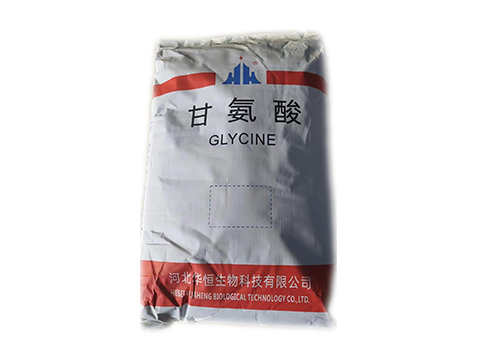
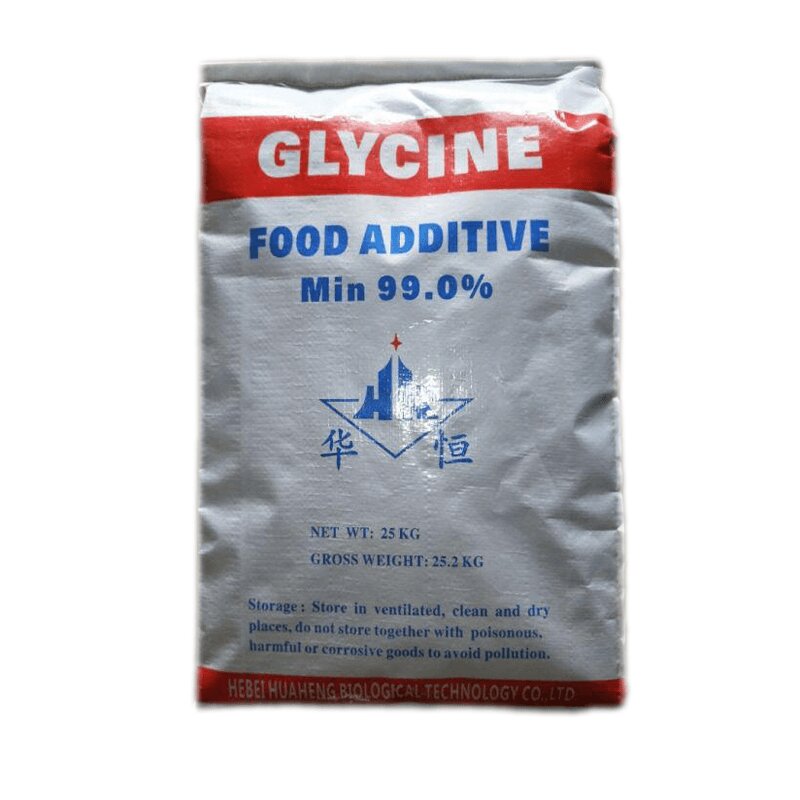
Hebei Huaheng Glycine
Inside a glycine manufacturing plant, the reality of large-scale production is far from the tidy images on a product brochure. Each shift, workers keep a careful eye on temperatures, pressure, and flow rates. Machines pulse consistently, but only with close attention to raw material quality and purity can batches meet the standards demanded downstream. Production lines never pause for guesswork. Glycine may appear simple as a molecule, but its role in pharmaceuticals, agrochemicals, and food systems places heavy expectations on each batch. Varying raw material quality never lets routine grow stale; one fluctuation in inputs demands quick thinking at the reactor, a skill built from years on the job.Every chemist who's spent time at the reactor knows what a slight impurity can mean for a pharmaceutical customer. Certain impurity profiles can jeopardize a whole run in a customer's plant, triggering expensive shutdowns during inspections. For food-grade glycine, off-odors or abnormal particle sizes risk entire product lines. Transparent sourcing, batch-to-batch testing, and years of experience with process control drive the reliability customers expect from us. At the same time, upstream volatility in international commodity markets means every cost point faces scrunity, but cutting corners gets expensive in the long run when failures emerge down the line. Direct lines of communication with end users – not just traders – give us real stories on what works and what causes trouble.The glycine plant runs within sight of the local community. Odor, effluent, and waste management come up in every regulatory assessment, and new demands roll through faster now than a decade back. Chemists and operators on site have learned that short-term gains from delayed upgrades lead to much bigger costs once authorities visit with new standards. Better solvent recovery and water recycling are not just buzzwords here. Teams have taken on closed-loop systems and emission abatement units, pushed by both regulation and the practical reality of what neighbors expect. Investment in new filtration and automated handling reduces operator exposure and keeps inspectors satisfied. Years after implementation, the evidence pays off in fewer unplanned outages and fewer complaints, not just improved statistics on paper.Markets for glycine stretch far beyond the local region. International buyers look for stability and transparency. Direct feedback from long-term customers shapes manufacturing choices here far more than internal memos ever could. A sudden surge in export demand has tested both logistics and the plant’s throughput. Fulfilling large orders on short timelines tests every link in the supply chain. Frequent, unpredictable changes in trade policy or tariffs mean quick adaptation stays essential. Some regions still demand stricter certifications, pushing plants to maintain documentation and traceability not just for compliance, but so that every customer can see proof of reliability. Where shipments cross borders, support teams track not just the product’s quality, but the entire journey—from batch release to warehouse receipt—since one missed detail disrupts relationships that took years to build.In recent years, raw material markets moved in unpredictable ways. Weathered supply managers at the facility never take availability for granted. Years of building relationships with upstream suppliers, investing in inventory, and developing alternative sourcing channels have often cushioned the worst impacts of shortages. Emergency runs to replace key input stocks always underscore the cost of relying on a single source. Proactive risk management learned in-house through disruptions sets apart consistent suppliers from those searching for new contracts whenever problems appear. The best feedback comes from the floor teams who see firsthand what volumes and lead times mean in reality, not from distant forecasts or quarterly predictions.Innovation at a glycine plant runs on the ground, not just in board meetings. Operators push for new ways to reduce material loss and energy use. A culture of open feedback keeps safety and process efficiency at the forefront. Investment in automation grew steadily through the years, but experienced hands still handle troubleshooting and decision-making during process upsets. Management values lessons learned from incidents, using real stories to improve outcomes for every batch shipped. As glycine’s end uses diversify through research into new nutraceutical or technical applications, our process evolves as well. Plant staff work with researchers to meet tighter specifications, developing fresh strategies to keep impurities in check or minimize environmental impact.Manufacturing glycine takes more than technical know-how. It means anticipating challenges, investing in lasting partnerships, and listening to every voice—from operators on shift to clients across the globe. Real consistency grows out of long-term commitment to product, environment, and the communities around the plant. Feedback from real use cases and a culture of openness mean production does not fold under pressure from disruption or change. Reliable glycine supply builds trust not on slogans, but on each day’s work at the plant, every test result, and every relationship forged over years.
Read More
Hebei Runwan Biological Technology Co., Ltd.
Factories don’t run themselves, and progress doesn’t show up on a spreadsheet. At Hebei Runwan Biological Technology Co., Ltd., our hands have shaped everything from basic intermediates to high-precision specialty products. This line of work asks for more than technical jargon or a string of certifications. It demands a commitment to quality, day in and day out, in a climate that rarely allows for mistakes. Inspection teams walk our floors daily, not just because a standard says so, but because a misstep with a reactor or a batch carries costs beyond paperwork — it impacts the workers beside us and the businesses that trust what leaves our doors.Few topics stir more debate inside our company than waste reduction and emissions control. Memories from years past — factory smokestacks, groundwater concerns, strict inspection rounds — have shaped every new procedure. Government regulations tighten each year, pushing for greater accountability with every drum. We track not just what is made, but how it is made. Years ago, a single faulty valve on a solvent tank taught us that even one oversight can affect the ecosystem miles away. Now, thermal oxidizers and closed-loop water systems run as a matter of course, not because it’s fashionable, but because neighbors and regulators have long memories. Energy recovery systems cut power bills, but they also cut emissions. In the long run, making a kilogram of product with half the water and electricity proves its own worth, keeping us in business for tomorrow as well as today.Our operation sits in Hebei, a province with both tradition and change in its veins. We draw on local workers who have watched the area shift from rural plots to industrial corridors. That history shapes who we hire and how we grow. We pull from universities and vocational schools, training a staff that understands the balance between safe handling and output. Foreign companies expect a certain rigor, and we push to meet those expectations not by cutting corners, but by keeping process systems clean, records transparent, and supply chains verifiable. Every tank shipment holds both product and a piece of our reputation, and global market access only lasts as long as that reputation holds up. International audits study our chemical traceability and process control logs as much as final market samples. No shortcut can paper over a slip in tracking precursor batches or total process time.Many folks on the outside believe quality is as simple as lab tests or paperwork at the door. On the floor, it looks like persistent checking, repeated calibrations, and sometimes pulling hundreds of liters due to an off-spec reading. It means stopping a run the minute pH swings or exotherms hint at contamination. As manufacturers, we catch the difference because we watch the output every hour, measure the fine details, and carry the lessons from every rejected batch. Downstream customers count on inputs that perform exactly as promised — no surprises at their reactors, no sticky residues in their filters. Repeat business grows from shipments that never cause rework or lost time on the receiving end. One failed drum can cost a client thousands and damage our standing far more. That pressure keeps us honest about limits — scaling a process that worked at bench scale requires patience and real data, not just optimism.For every engineering control or upgrade, there are stories about new hires learning the ropes from veterans who talk plainly about accidents, near-misses, and hard lessons. Our production teams know that poorly labeled containers or ignored lockout steps mean more than fines — they endanger friends and neighbors. Line leads hammer home the fact that nobody gets ahead by hiding mistakes. Every person in the plant, from logistics to reactor operators, carries the responsibility to speak out if a sight glass fogs up or a reaction slows. We have found that the most robust chemical plants don’t grow out of memos, but from spoken experience shared every shift. Culture shapes process as much as any instrument.Research labs get press for new molecules, but sustained business comes from steady, reproducible processes and the ability to ramp changes up without breakdowns. It’s not about chasing the latest trend; it’s about incremental improvements and taking new technology seriously. Digital monitoring and smarter analytics help pinpoint inefficiencies, catch contamination early, and trim down non-conforming product. Our focus moves beyond just hitting quotas. Instead, we listen when operators report recurring trouble spots or suggest changes to old procedures. From our position on the frontlines, every bump in the process maps directly onto future costs or gains. Reliable suppliers upstream and honest feedback downstream offer the feedback loop needed to push improvements, even when regulatory bodies aren’t breathing down our necks.No manufacturer stands alone. In Hebei, we interact with other plants, industry groups, academic researchers, and local authorities. Our willingness to share what works — and what didn’t — adds up over time. After all, one company’s error can set back the credibility for the entire sector. By helping to convene training sessions, opening up about environmental controls, and taking audits as learning opportunities, we see both the pressure and the privilege of being a reliable partner in a complex supply network. Business ultimately reflects the larger community, and every safe, traceable shipment reinforces the notion that manufacturing can advance without losing sight of real-world impacts.
Read More